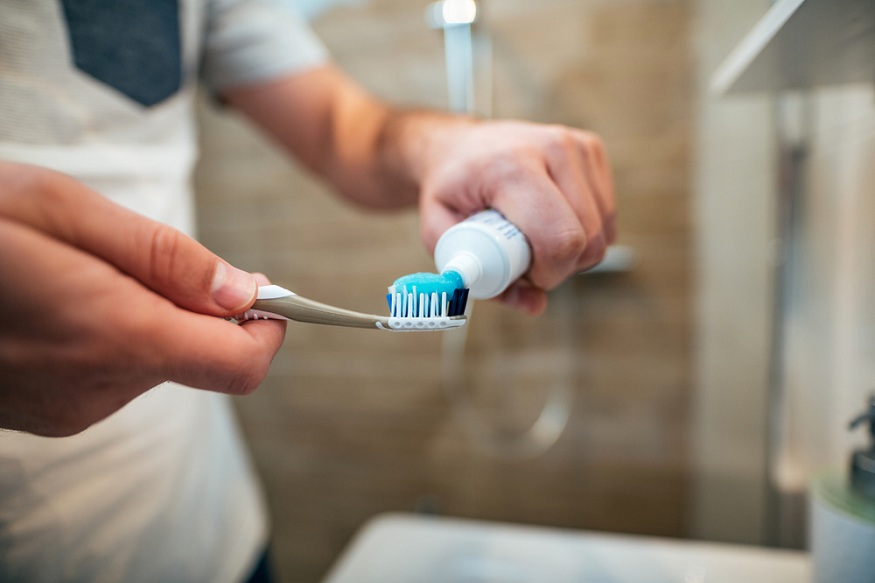
The bathroom counter tells the story. Dried toothpaste globs. A mangled tube. The cap is nowhere to be found. This morning ritual of wrestling with toothpaste happens in households everywhere. Nobody questions it anymore. But maybe they should.
The Problem Started Decades Ago
Toothpaste came in jars until the 1890s. Then some genius invented collapsible tubes. Metal at first. People loved them because jars were messy. Fingers dipping into shared toothpaste? Gross. Metal tubes had issues, though. They split at the seams. Toothpaste leaked everywhere. So plastic took over in the 1980s. Problem solved, right? Wrong.
Plastic is flexible. It springs back when released after squeezing the bottom. The toothpaste inside? It flows backward. Getting those last bits out becomes an Olympic sport. Grown adults grunt and strain over a three-dollar tube. The whole thing is absurd when you stop and think about it. Soap pumps until the bottle runs dry. Shampoo bottles flip upside down. Ketchup bottles got redesigned so that the sauce flows out easily. But toothpaste? Still stuck in tubes that fight back.
Why Tubes Waste Money and Product
People chuck tubes that still have toothpaste inside. Not a little bit either. Research found that about 10% stays trapped in there. That’s cash heading to the trash. A family goes through maybe eight tubes a year. That’s plenty of toothpaste they paid for but never used. Over ten years? Hundreds of dollars squeezed into the garbage.
Desperate times call for desperate measures. People attack tubes with scissors. They buy those plastic roller gadgets. One guy told his dentist he uses pliers on his toothpaste tube. The dentist wasn’t even surprised. She’d heard worse. And good luck figuring out when you’re running low. That opaque plastic keeps secrets. Monday morning, plenty of paste. Tuesday? Bone dry. Now you’re brushing with water and hoping for the best.
Modern Solutions Already Exist
Lotion figured this out twenty years ago. Pump bottles changed everything. Push down, and lotion comes out. Revolutionary stuff. Food companies ditched annoying packaging, too. Yogurt tubes that actually empty. Honey bears that don’t require a wrestling match. Even mayo jars have wide mouths so spoons fit inside.
Toothpaste tablets popped up recently. Companies like Ecofam sell these little tablets you chew, then brush. No tube at all. Each tablet has the perfect amount of paste. The container’s tiny. Zero waste because you use every single tablet. Some places sell toothpaste in jars now. Others use pump bottles. All these options work better than tubes.
So why do tubes still dominate store shelves? Habit, mostly. Factories already make tubes. Stores stock tubes. People expect tubes. Breaking that cycle means spending money on new equipment. Companies hate spending money, even to save money later.
The Environmental Cost Nobody Talks About
Toothpaste tubes are not recyclable. Mixed plastics and aluminum jam sorting machines. Excess toothpaste clogs equipment. Tubes often go to landfills. These things last 500 years. Five centuries of slow decay. They crumble into tiny plastic bits. Rain washes those bits into rivers. Fish eat them. Birds eat the fish. Plastic moves up the food chain. All from tubes that didn’t need to exist. Billions of tubes get tossed yearly. Stacked, they’d reach the moon. Most likely. The point is, there’s too many.
Conclusion
Toothpaste tubes represent everything wrong with accepting “good enough”. They barely work. They waste product, and they trash the planet. Yet people keep buying them because what else is there?
Plenty, actually. The alternatives already exist. Tablets, jars, pumps; they all beat tubes. The morning bathroom battle could end tomorrow if enough people demanded change. But habits die hard. So the squeezing continues, one frustrating morning at a time.




Leave a Reply
You must be logged in to post a comment.