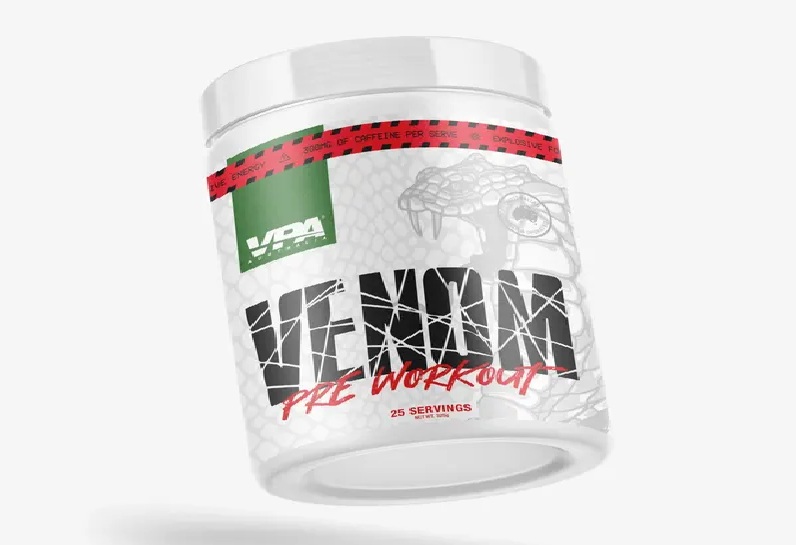
Pre workout supplements split into two broad categories based on stimulant load. One delivers a controlled, moderate energy response suited to most training situations. The other pushes significantly harder and suits a specific type of user with specific training demands.
Getting this choice right makes a meaningful difference to how your sessions feel and how well you recover from them.
What Low Stim Pre Workout Actually Means
A low stim pre workout is not a watered-down version of a stronger product. It’s a formula designed to deliver clean, manageable energy alongside the performance ingredients that support training quality, without the intensity of a high-caffeine formula.
Low stim pre workout formulas typically sit at 100 to 150mg of caffeine per serve. This range produces a noticeable improvement in alertness and focus for most people without the jitteriness, elevated heart rate, or post-workout crash that higher doses can cause.
The performance ingredients in a quality low stim formula are often comparable to stronger products. Citrulline malate for blood flow and training volume, beta-alanine for lactic acid buffering, and taurine for cardiovascular support and focus are common inclusions that contribute to training quality independently of the stimulant load.
Read More: Unlocking Wellness with DNA-based Health Recommendations
Who suits a low stim formula
Low stim pre workouts suit a wider range of people than high-caffeine alternatives. People new to pre workout supplementation should always start in this category, regardless of their training experience. Stimulant tolerance is independent of fitness level, and introducing high caffeine too quickly leads to an uncomfortable first experience that puts people off the category entirely.
Evening trainers benefit significantly from a lower-caffeine option. Caffeine has a half-life of four to six hours in most people. A 300mg dose taken at 6pm still has meaningful activity at midnight. A 100 to 150mg dose taken at the same time allows sleep quality to remain largely intact.
People who consume multiple coffees daily and want to add a pre workout without compounding their total daily caffeine intake also benefit from a lower-stim formula that keeps the combined load within a manageable range.
What High Caffeine Pre Workout Delivers
A high caffeine pre workout operates at a different level of intensity. Caffeine doses typically start at 300mg per serve and may be combined with additional stimulatory compounds that amplify and extend the effect.
The training response is stronger: faster energy onset, sharper focus, more aggressive intensity, and a training output ceiling that moderate formulas can’t match for experienced users.
Who High Caffeine Pre Workout Is Actually For
High caffeine pre workout is not appropriate as a starting point for most people. It suits a specific profile: someone with established stimulant tolerance who trains at high intensity and has found that moderate formulas no longer produce a noticeable effect.
The clearest signal that a step up is warranted is plateauing response. If you’ve been using a moderate pre workout consistently for several months and the energy and focus effect has noticeably declined, stimulant tolerance has built to the point where a stronger formula is a rational next step.
It also suits people doing particularly demanding sessions where the extra intensity genuinely translates to better training outcomes: heavy compound lifting, competitive CrossFit, high-volume hypertrophy work, or back-to-back sessions where motivation and output need to stay high across a long training block.
Using high caffeine pre workout safely
Even experienced users should start with half a serve when trying a new high-caffeine formula. Every product is different, and the combination of stimulant compounds in a high-stim formula can interact differently than caffeine alone at an equivalent dose.
Avoid combining with other caffeine sources on the same day. Coffee, energy drinks, and fat burners on top of a high-caffeine pre workout compounds the stimulant load beyond what proportional benefit justifies. Avoid taking it within six hours of sleep. And cycle off for one to two weeks every couple of months to prevent tolerance from building to the point where the product stops working effectively.
Comparing the Two Across Key Factors
The right choice between a low stim and high caffeine pre workout comes down to four practical considerations.
Stimulant tolerance: People with lower tolerance or no established pre workout history suit the low stim option. People with high tolerance who have used moderate formulas for six months or more may benefit from stepping up.
Training timing: Evening sessions almost always call for a low stim formula. The caffeine half-life makes high-dose options a reliable sleep disruptor for most people training after 5pm.
Training intensity: Recreational gym-goers and people in moderate training blocks get everything they need from a low stim formula. Competitive athletes, powerlifters, and people in peak training phases are the realistic use case for a high-caffeine product.
Read More: Beyond Chalk: Why You Need to Use Weightlifting Grips
Health considerations: People with cardiovascular conditions, high blood pressure, anxiety disorders, or caffeine sensitivity should avoid high-caffeine formulas entirely and consult a GP before using any stimulant-based supplement.
FAQs
Can I build up from low stim to high caffeine over time?
Yes, and this is the recommended progression. Start with a low stim formula to establish your response, build tolerance gradually over several months, then assess whether a stronger formula is warranted based on whether the effect has plateaued.
Will a low stim pre workout still improve my training?
Yes. The performance ingredients in a quality low stim formula, including citrulline malate, beta-alanine, and taurine, support training quality independently of the caffeine dose. Most people see meaningful improvements in blood flow, endurance, and focus at 100 to 150mg of caffeine.
Is it safe to take high caffeine pre workout every day?
Daily use is possible but not ideal for long-term stimulant management. Consistent daily use accelerates tolerance build-up, which reduces effectiveness over time. Using high-caffeine formulas on your hardest training days and cycling off periodically keeps the response consistent.
What happens if I take too much caffeine from a pre workout?
Excess caffeine produces jitteriness, elevated heart rate, anxiety, and in some cases nausea or headaches. If you experience these symptoms, reduce your dose or switch to a lower-stim formula. Do not stack additional caffeine sources on top of a pre workout to troubleshoot a poor response.
Do non-stimulant pre workouts work?
Yes. Non-stimulant formulas rely on citrulline malate, beta-alanine, creatine, and other performance ingredients without caffeine. They support blood flow, endurance, and training volume effectively. They suit evening trainers, caffeine-sensitive individuals, and people who simply want performance support without the stimulant effect.




Leave a Reply
You must be logged in to post a comment.